

Bicycle Front Hub for Mountain Bikes & E-Bikes: ODM Guide to Axle Standards, Sealing, Bearings, and Durability
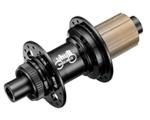
A practical ODM overview of axle standards, sealing systems, bearing durability, and design priorities for MTB and e-bike front hubs.
UNITED KINGDOM, January 23, 2026 /EINPresswire.com/ -- — As demand grows for performance MTB platforms and higher-mileage e-bike usage, brands are investing more in front hub specifications that improve stiffness, durability, and all-weather consistency. When sourcing a bicycle front hub for mountain bikes or a bicycle front hub for e-bikes, ODM (Original Design Manufacturing) is a practical route to tailor axle standards, sealing, bearing life, and finishing while keeping production scalable. YUHUB supports brands through ODM-ready hub design and manufacturing workflows to help shorten validation cycles and maintain stable quality at volume.Key Aspects of a Bicycle Front Hub (MTB & E-Bike Use)
1) Axle Standard & Interface Fit
The axle standard controls stiffness, compatibility, and fork integration. Common MTB/e-bike-ready options include QR and thru-axle formats. Selection should match your target bike category, fork platform, and intended riding intensity.
2) Bearing System & Durability
Bearings determine smoothness and lifespan. Bearing type/size impacts load capacity and service intervals. Preload control is critical to prevent play, noise, and premature wear. For e-bikes, brands often prioritize higher durability targets because weekly usage time tends to be longer and loads are more consistent.
3) Sealing & Weather Protection
MTB and e-bike riders face water, dust, and frequent wash cycles. Multi-stage sealing helps reduce contamination. A balanced sealing design protects bearings while avoiding excessive drag that can reduce perceived smoothness.
4) Hub Shell, Flange Geometry & Wheel Strength
Flange spacing and geometry influence wheel stiffness and spoke support. MTB designs typically emphasize lateral stiffness and impact tolerance. E-bike setups often emphasize fatigue resistance and long-term true-keeping under heavier loads and longer mileage.
5) Brake Rotor Compatibility
Front braking forces can be intense—especially on e-bikes. The rotor interface must match the brake ecosystem, while hub rigidity and machining precision help stabilize braking feel over time.
MTB vs E-Bike: What Changes?
MTB hubs are built to survive harsh terrain, sharp impacts, and contamination. E-bike hubs face higher system weight, stronger braking loads, and long continuous riding cycles. In practice, this shifts priority toward fatigue life, load capacity, and durability consistency for e-bike-focused hub specs.
Why Brands Use ODM for MTB & E-Bike Front Hubs
*Faster product validation: ODM helps teams lock down fit and performance quickly—axle confirmation, bearing life targets, seal structure, and material selections.
*Customization without reinventing the wheel: Brands commonly tailor hub shell aesthetics, flange geometry/spoke drilling options, bearing spec tiers, sealing levels, and branding methods (laser marking/engraving/packaging).
*Better control of cost vs performance: ODM enables clear decisions on where to invest—upgrading bearings/seals for premium models, optimizing machining and finishing for entry models, and keeping core architecture consistent across the lineup.
YUHUB ODM Capability for Bicycle Front Hubs
*For brands developing a bicycle front hub for mountain bikes or a bicycle front hub for e-bikes, YUHUB typically supports ODM programs through a structured flow:
-Specification alignment: define target use (XC/trail/enduro or commuter e-bike/e-MTB), confirm axle & brake compatibility, set weight/durability/sealing goals.
-Engineering options: bearing configurations for different durability tiers, seal structure choices for wet/muddy conditions, and geometry adjustments to balance stiffness vs weight.
-Quality consistency for scaling: dimensional control for stable fit, process consistency to reduce batch variation, plus traceability and inspection checkpoints aligned with brand requirements.
Spec Checklist Before Requesting a Quote
*To speed up ODM alignment, prepare:
-Target bike type (MTB / e-MTB / commuter e-bike)
-Axle format (QR or thru-axle + compatibility targets)
-Brake system (rotor interface + intensity expectations)
-Spoke count and wheel build goals
-Durability targets (usage frequency + environment: rain/mud/coastal)
-Finish & branding (anodizing, logo method, packaging)
-Positioning (lightweight / balanced / heavy-duty)
Industry Trends Shaping MTB & E-Bike Front Hubs (2026)
*Higher durability expectations, especially for e-bikes: longer bearing life and less maintenance.
*More focus on sealing and real-world reliability: reduced noise/play after long mileage and better wash resistance.
*Platform-style hub lineups: shared hub architecture with multiple tiers and SKU variants.
Conclusion
Choosing a bicycle front hub for mountain bikes focuses on impact survival, stiffness, and sealing against the elements. Choosing a bicycle front hub for e-bikes adds higher loads, stronger braking forces, and longer duty cycles—making durability and consistency the headline. With ODM support from YUHUB, brands can tailor axle standards, sealing, bearing systems, finishing, and branding while keeping production scalable and quality consistent.
Jared Liang
ChoozMo inc.
86927192112
email us here
Legal Disclaimer:
EIN Presswire provides this news content "as is" without warranty of any kind. We do not accept any responsibility or liability for the accuracy, content, images, videos, licenses, completeness, legality, or reliability of the information contained in this article. If you have any complaints or copyright issues related to this article, kindly contact the author above.
